
Why Regular Website Maintenance Is Important for Your Business
Launching a website is only the beginning. Like any important business asset, a website requires ongoing attention to remain secure, fast, functional, and relevant.
Technology changes constantly. Software receives updates, security vulnerabilities are discovered, browsers evolve, content becomes outdated, and website performance can gradually decline. Without regular maintenance, small problems can develop into larger issues that affect customers and business operations.
Regular website maintenance helps keep your website working properly while protecting your investment and supporting a better experience for visitors.
Whether your website generates leads, sells products, accepts bookings, provides information, or supports customers, ongoing maintenance should be considered an essential part of managing your online presence.
What Is Website Maintenance?
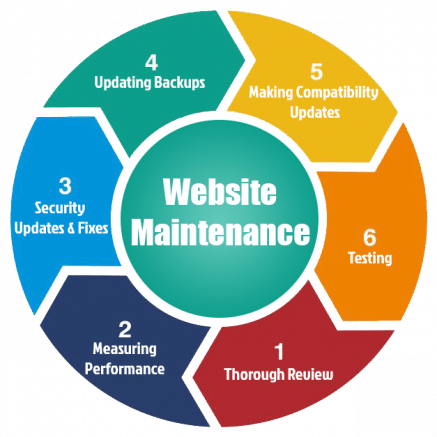
Website maintenance is the ongoing process of checking, updating, optimizing, and protecting a website after it has been launched.
The exact maintenance requirements depend on the website’s platform, complexity, integrations, traffic, and business purpose.
Common website maintenance tasks can include:
- Software updates
- Plugin and theme updates
- Website backups
- Security monitoring
- Malware scanning
- Performance optimization
- Broken link checks
- Form testing
- Mobile testing
- Content updates
- Database optimization
- Uptime monitoring
- SEO checks
- Browser compatibility testing
Regular maintenance helps identify potential problems before they significantly affect your visitors or business.
Website Security Requires Ongoing Attention
Security is one of the most important reasons to maintain your website.
Web technologies, content management systems, themes, plugins, frameworks, and server software can develop vulnerabilities over time.
Developers regularly release updates to address security issues and improve software.
If these updates are ignored, outdated components may increase unnecessary security risks.
Regular website maintenance may include:
- Installing security updates
- Updating plugins and themes
- Monitoring suspicious activity
- Reviewing administrator accounts
- Checking user permissions
- Running malware scans
- Maintaining backups
- Reviewing security configurations
No website can be guaranteed to be completely protected from every threat, but consistent maintenance can significantly reduce avoidable risks.
Regular Software Updates Keep Your Website Healthy
Modern websites often rely on multiple pieces of software working together.
A WordPress website, for example, may use:
- WordPress core
- A theme
- Multiple plugins
- Page-building tools
- Forms
- E-commerce functionality
- Third-party integrations
These components are updated periodically for security, performance, compatibility, and functionality.
Ignoring updates for long periods can create compatibility problems.
However, updates should also be handled carefully. Installing many updates without checking compatibility can sometimes cause unexpected website problems.
A professional maintenance process may involve backing up the website, applying updates, and testing important functionality afterward.
Website Backups Protect Your Business
Even a well-maintained website can experience unexpected problems.
A software update might fail, data could be accidentally deleted, a server could experience an issue, or a website could be affected by malicious activity.
Regular backups provide an important recovery option.
A website backup may include:
- Website files
- Databases
- Images and media
- Configuration files
- Website content
For important business websites, backups should be created regularly and stored appropriately.
Maintaining multiple backup versions can also be useful because a problem may not always be discovered immediately.
Most importantly, backups should be restorable. A backup strategy is much more valuable when recovery procedures have been tested.
Maintenance Helps Keep Your Website Fast
Website performance can change over time.
As new content, plugins, images, scripts, and functionality are added, pages may gradually become slower.
Regular performance maintenance can help identify and correct these problems.
Performance optimization may involve:
- Compressing large images
- Removing unnecessary plugins
- Cleaning databases
- Configuring caching
- Removing unused files
- Optimizing scripts
- Reviewing server performance
- Checking third-party resources
- Improving page loading behavior
A faster website creates a better experience for visitors and makes it easier for them to explore your content.
Website Speed Can Affect Conversions
Potential customers generally do not want to wait for slow pages.
If visitors experience repeated delays while browsing your services, completing a form, or purchasing a product, some may leave before taking action.
Maintaining website performance can therefore support conversion goals.
A fast and responsive website can make it easier for visitors to:
- Explore services
- Browse products
- Complete contact forms
- Request quotes
- Book appointments
- Create accounts
- Complete purchases
Performance optimization should be an ongoing process rather than something considered only when a website is first developed.
Broken Links Can Create a Poor User Experience
Websites naturally change over time.
Pages may be deleted, URLs may change, external websites may remove resources, and files may be moved.
These changes can create broken links.
A visitor clicking a link that leads to an error page may become frustrated or assume the website is poorly maintained.
Regular link checks can identify:
- Broken internal links
- Broken external links
- Missing images
- Incorrect buttons
- Invalid downloadable files
- Outdated redirects
Fixing these issues helps keep navigation smooth and professional.
Contact Forms Should Be Tested Regularly
A contact form can look perfectly normal while failing behind the scenes.
This can be particularly costly for businesses that depend on website inquiries.
Form problems may occur because of:
- Software conflicts
- Email configuration issues
- Spam filters
- Server changes
- Plugin updates
- Integration failures
- Incorrect settings
Regular maintenance should include testing important forms.
Depending on your website, this could include:
- Contact forms
- Quote request forms
- Appointment forms
- Newsletter signups
- Job applications
- Registration forms
- Checkout forms
A successful submission should also be verified to ensure the information actually reaches the correct destination.
E-commerce Websites Need Regular Maintenance
Website maintenance is particularly important for online stores.
E-commerce websites contain many interconnected systems, including products, inventory, customer accounts, shopping carts, checkout processes, payment gateways, and shipping integrations.
Regular e-commerce maintenance may include testing:
- Product pages
- Add-to-cart functionality
- Shopping carts
- Checkout
- Payment gateways
- Discount codes
- Customer accounts
- Order emails
- Shipping calculations
- Inventory functionality
A checkout problem can directly affect revenue, so critical purchasing functionality should be monitored and tested regularly.
Website Maintenance Supports SEO
Search engine optimization is an ongoing process.
A website that contains broken links, slow pages, technical errors, outdated content, or poor mobile usability may provide a weaker experience for both users and search engines.
Website maintenance can support SEO by helping keep the technical foundation healthy.
Maintenance tasks that may benefit SEO include:
- Fixing broken links
- Monitoring page speed
- Maintaining mobile usability
- Checking redirects
- Updating outdated content
- Reviewing page titles and descriptions
- Checking sitemap functionality
- Identifying crawl errors
- Optimizing images
- Maintaining internal links
Maintenance alone does not guarantee higher search rankings, but it can prevent avoidable technical problems from undermining your SEO efforts.
Keeping Content Updated Builds Credibility
Website maintenance is not limited to technical work.
Your content also needs attention.
Imagine a customer visiting your website and finding outdated pricing, old staff information, incorrect opening hours, discontinued services, or promotions that ended months ago.
Outdated information can create confusion and reduce confidence in your business.
Regular content reviews can help keep information such as the following accurate:
- Services
- Pricing
- Contact details
- Business hours
- Staff profiles
- Product information
- Locations
- Policies
- FAQs
- Promotions
Your website should accurately represent your business as it operates today.
Mobile Functionality Should Be Checked
A website may initially work perfectly on mobile devices, but later changes can introduce problems.
New content, plugins, design modifications, or software updates can affect responsive layouts.
Regular mobile testing can identify issues such as:
- Overlapping content
- Text that is too small
- Buttons that are difficult to tap
- Broken mobile menus
- Images extending beyond the screen
- Forms that are difficult to complete
- Excessive horizontal scrolling
Mobile maintenance is important because customers may access your website from many different devices and screen sizes.
Browser Compatibility Can Change Over Time
Web browsers continue to evolve.
Chrome, Safari, Firefox, Edge, and mobile browsers regularly receive updates.
Changes in browser behavior can occasionally affect how website functionality or layouts are displayed.
Periodic cross-browser testing helps ensure important website features continue to work for a broad range of visitors.
Testing should focus particularly on business-critical areas such as:
- Navigation
- Forms
- Checkout
- Account functionality
- Interactive elements
- Responsive layouts
Database Maintenance Can Improve Website Performance
Database-driven websites can accumulate unnecessary information over time.
Depending on the platform, databases may contain old revisions, temporary data, expired records, unused settings, or other information that is no longer required.
Appropriate database maintenance can help keep the system organized and efficient.
However, database changes should be handled carefully.
A complete backup should generally be created before removing or modifying important database information.
Monitoring Website Uptime Helps Detect Problems
If your website becomes unavailable, potential customers may not be able to contact your business, view services, or make purchases.
Uptime monitoring can automatically check whether your website is accessible.
If the website becomes unavailable, monitoring systems can alert the responsible person or technical team.
This allows problems to be investigated more quickly instead of waiting for a customer to report them.
For businesses that depend heavily on their websites, proactive monitoring can be particularly valuable.
Maintenance Helps Protect Your Brand Reputation
Your website represents your business online.
Visitors may question your professionalism if they encounter:
- Broken pages
- Missing images
- Security warnings
- Outdated information
- Slow loading
- Failed forms
- Layout problems
- Checkout errors
Even relatively small technical issues can influence how customers perceive your company.
Regular maintenance helps ensure your digital presence reflects the same level of professionalism you want customers to associate with your business.
Maintenance Can Prevent Small Problems From Becoming Bigger
Minor technical problems are often easier to resolve when discovered early.
For example, one outdated plugin may initially cause only a small display issue. After additional updates or changes, it could potentially create larger compatibility problems.
Regular maintenance allows developers to identify and address issues before they accumulate.
Preventive maintenance can often be more efficient than waiting until a website experiences a major failure.
Website Maintenance Supports Future Growth
Your website will likely change as your business grows.
You may eventually want to add:
- New services
- New locations
- Additional landing pages
- E-commerce functionality
- Booking systems
- Customer portals
- CRM integrations
- Marketing tools
- New payment options
A website that has been regularly maintained is generally easier to expand than one containing years of outdated software, unused plugins, technical problems, and disorganized content.
Maintenance helps keep the website’s foundation ready for future improvements.
How Often Should a Website Be Maintained?
There is no single maintenance schedule suitable for every website.
A simple informational website may require less frequent attention than a large e-commerce store or web application.
Some tasks may need to be performed weekly, while others may be monthly, quarterly, or triggered by specific software updates.
The appropriate schedule depends on factors such as:
- Website complexity
- Traffic levels
- E-commerce functionality
- Frequency of content updates
- Number of plugins or integrations
- Security requirements
- Business importance
Business-critical websites generally require more frequent monitoring and testing.
What Should a Website Maintenance Plan Include?
A professional maintenance plan should be based on the needs of the individual website.
Depending on the platform and business, it may include:
- Website backups
- Software updates
- Security checks
- Malware monitoring
- Uptime monitoring
- Performance checks
- Database maintenance
- Broken link checks
- Form testing
- Mobile testing
- E-commerce testing
- Content updates
- Technical troubleshooting
The objective is to maintain website reliability while identifying problems before they negatively affect customers.
Signs Your Website Needs Maintenance
Your website may require immediate attention if:
- Pages load noticeably slower than before
- Forms have stopped sending messages
- You frequently see software update notifications
- Parts of the website look broken
- Customers report errors
- Your website contains outdated information
- Security warnings appear
- Some pages return errors
- Mobile layouts no longer work correctly
- Checkout functionality is unreliable
- Website backups have not been checked recently
These issues should not be ignored, particularly when the website plays an important role in generating revenue or customer inquiries.
Professional Website Maintenance Saves Time
Business owners already have many responsibilities.
Constantly checking updates, backups, security, forms, performance, and compatibility can become time-consuming.
Professional website maintenance allows technical specialists to handle these responsibilities while your team focuses on running the business.
It can also provide a clear point of contact when technical problems occur.
Instead of trying to diagnose an unfamiliar issue yourself, you can have someone who understands the website investigate it.
Keep Your Website Secure, Fast, and Reliable
A business website should not be treated as a one-time project that is forgotten after launch.
Regular maintenance helps protect the work you have already invested in while keeping your website secure, functional, fast, and relevant.
From software updates and backups to security monitoring, performance optimization, form testing, and content reviews, ongoing maintenance supports nearly every aspect of website quality.
For businesses that rely on their websites to generate leads, communicate with customers, accept bookings, or process sales, consistent maintenance can help prevent avoidable disruptions and provide visitors with a more dependable experience.
A professionally maintained website gives your business a stronger digital foundation today while making future improvements and growth easier to manage.
Frequently Asked Questions
Why does a business website need regular maintenance?
Websites depend on software, hosting, databases, integrations, and content that change over time. Regular maintenance helps keep these components updated, secure, functional, and optimized.
How often should I maintain my website?
The appropriate frequency depends on your website. Business-critical and e-commerce websites may require frequent monitoring, while simpler websites may need less intensive maintenance. Security updates and critical issues should generally be addressed promptly.
Does WordPress require regular maintenance?
Yes. WordPress websites commonly rely on WordPress core, themes, and plugins that receive ongoing updates. Backups, updates, security checks, and functionality testing are important parts of WordPress maintenance.
Can website maintenance improve speed?
Yes. Performance maintenance can include image optimization, caching, database cleanup, plugin reviews, script optimization, and other improvements that can help maintain or improve loading performance.
Does website maintenance help with SEO?
Yes. Fixing broken links, maintaining website speed, checking redirects, improving mobile usability, updating content, and resolving technical errors can support a healthy SEO foundation.
What happens if I don’t maintain my website?
Over time, an unmaintained website may develop outdated software, security vulnerabilities, compatibility problems, broken functionality, performance issues, or outdated content.
Should website backups be part of maintenance?
Yes. Regular backups provide an important recovery option if website files or data are lost, corrupted, accidentally changed, or affected by a technical or security incident.
