

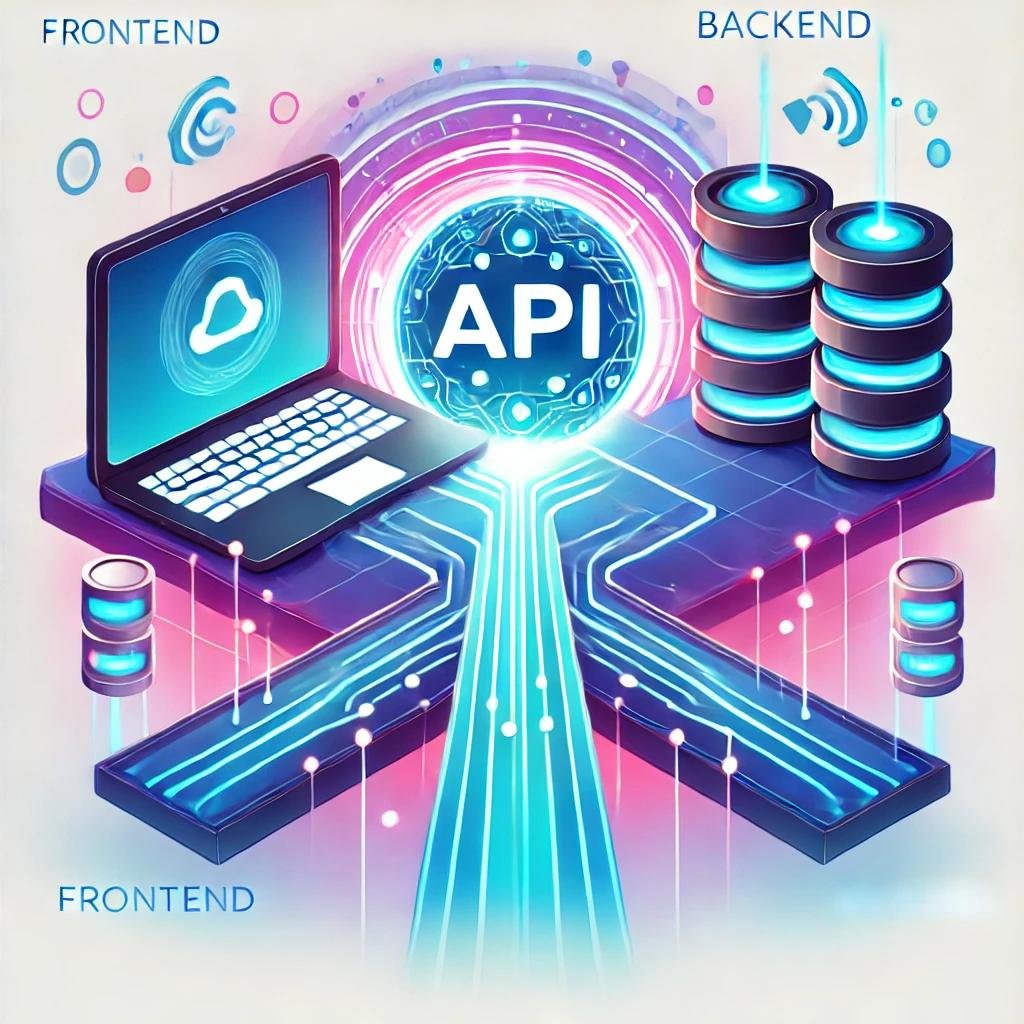
APIs and Backend Integration: Everything You Need to Know
Introduction
Modern websites and applications rely on more than just their own internal systems. Businesses today use multiple tools and platforms to manage payments, customer relationships, marketing, analytics, communication, and other essential operations.
This is where APIs and backend integration become important.
APIs allow different software systems to communicate with each other, while backend integration connects these systems together to create smooth and automated workflows. From processing online payments to syncing customer data with a CRM, APIs make modern digital experiences possible.
A strong backend integration strategy helps businesses improve efficiency, automate processes, enhance user experiences, and build scalable digital solutions.
What Is an API?
API stands for Application Programming Interface. An API is a set of rules that allows two different software systems to communicate and exchange information.
Simply put, an API acts as a bridge between applications.
For example:
- A website uses a payment API to process transactions.
- A weather app uses an API to display current weather information.
- An e-commerce website uses an API to connect with shipping providers.
- A business website uses a CRM API to send customer information automatically.
APIs allow different technologies to work together without requiring developers to rebuild systems from scratch.
What Is Backend Integration?
Backend integration is the process of connecting a website or application’s backend with external systems, services, or databases.
These integrations allow different platforms to share data and perform automated tasks.
Examples of backend integrations include:
- Connecting a website with a payment gateway
- Integrating a CRM system with contact forms
- Syncing inventory between platforms
- Connecting email marketing tools
- Integrating booking systems
- Linking third-party applications through APIs
Backend integration ensures that information moves smoothly between different systems.
How APIs Work Behind the Scenes
When a user performs an action on a website, APIs help transfer information between systems.
A basic API process works like this:
1. User Makes a Request
A user performs an action, such as purchasing a product or submitting a form.
2. Backend Sends an API Request
The website backend sends a request to another service through an API.
3. External System Processes the Request
The connected service processes the information.
For example:
- A payment provider verifies payment details.
- A shipping service calculates delivery costs.
- A CRM system stores customer information.
4. API Returns a Response
The external system sends the result back to the website.
5. Website Displays the Result
The backend processes the response and updates the user experience.
This entire process usually happens within seconds.
Common Types of APIs
1. REST APIs
REST (Representational State Transfer) APIs are one of the most commonly used API types.
They use standard HTTP methods such as:
- GET – Retrieve data
- POST – Send new data
- PUT – Update existing data
- DELETE – Remove data
REST APIs are popular because they are flexible, lightweight, and easy to use.
2. SOAP APIs
SOAP (Simple Object Access Protocol) APIs use strict standards for exchanging information.
They are commonly used in industries that require high security and reliability, such as:
- Banking
- Healthcare
- Enterprise systems
3. GraphQL APIs
GraphQL allows applications to request exactly the data they need instead of receiving unnecessary information.
Benefits include:
- Faster data requests
- Greater flexibility
- Reduced data transfer
Many modern applications use GraphQL for efficient communication between frontend and backend systems.
Why APIs Are Important for Businesses
1. Connect Different Business Systems
Businesses often use multiple software tools to manage operations.
APIs allow these systems to communicate, including:
- Websites
- Mobile apps
- Payment platforms
- CRM software
- Accounting systems
- Marketing tools
This creates a connected digital ecosystem.
2. Automate Business Processes
Backend integrations reduce manual work by automating repetitive tasks.
Examples include:
- Automatically adding website leads to a CRM
- Sending order confirmations
- Updating inventory levels
- Generating invoices
- Sending marketing emails
Automation improves efficiency and reduces human errors.
3. Improve Customer Experience
APIs help businesses provide faster and more personalized experiences.
Examples include:
- Instant payment confirmation
- Real-time shipping updates
- Personalized recommendations
- Online appointment scheduling
- Customer account dashboards
Better experiences increase customer satisfaction and loyalty.
4. Enable Online Payments
Payment integrations are one of the most common uses of APIs.
Payment APIs allow websites to connect with services such as:
- Credit card processors
- Digital wallets
- Online payment platforms
They handle:
- Payment authorization
- Transaction processing
- Security verification
- Payment status updates
This makes online transactions faster and safer.
5. Support E-Commerce Functionality
Online stores rely heavily on backend integrations.
APIs help connect:
- Product databases
- Inventory systems
- Shipping providers
- Payment processors
- Customer management tools
These connections allow e-commerce businesses to operate efficiently.
6. Improve Data Management
APIs make it easier to collect, organize, and share data between systems.
Businesses can:
- Sync customer information
- Update records automatically
- Generate reports
- Analyze customer behavior
Better data management helps companies make smarter decisions.
Examples of Common Backend Integrations
Payment Gateway Integration
Connects websites with payment services to process secure transactions.
CRM Integration
Automatically sends customer information from website forms into sales systems.
Email Marketing Integration
Allows websites to add subscribers and send automated campaigns.
Social Media Integration
Enables login options, content sharing, and social media features.
Shipping Integration
Connects online stores with shipping providers for tracking and delivery updates.
Analytics Integration
Collects website data to understand visitor behavior and performance.
Security Considerations for APIs
Because APIs often handle sensitive information, security is essential.
Important API security practices include:
Authentication
Ensures only authorized users and applications can access data.
Common methods include:
- API keys
- OAuth authentication
- Access tokens
Encryption
Protects information while it moves between systems.
HTTPS encryption is essential for secure communication.
Access Control
Limits what users and applications can do through APIs.
Rate Limiting
Prevents abuse by controlling how many requests can be made within a specific time period.
Data Validation
Checks incoming data to prevent malicious requests.
Challenges of Backend Integration
While APIs provide many benefits, integration projects can also have challenges.
Common issues include:
Compatibility Problems
Different systems may use different data formats or technologies.
Security Risks
Poorly secured APIs can expose sensitive information.
Maintenance Requirements
APIs may change over time and require updates.
Performance Issues
Large amounts of data exchange can affect website speed.
Professional backend development helps manage these challenges effectively.
Best Practices for API and Backend Integration
Successful integrations require careful planning and development.
Best practices include:
- Choose reliable API providers
- Use secure authentication methods
- Document API functionality
- Validate all incoming data
- Monitor API performance
- Handle errors properly
- Keep integrations updated
- Test systems regularly
Following these practices creates stable and secure connections between platforms.
The Role of Backend Developers in API Integration
Backend developers are responsible for making APIs work correctly within websites and applications.
Their tasks include:
- Creating custom APIs
- Connecting third-party services
- Managing data exchange
- Implementing security measures
- Testing integrations
- Troubleshooting issues
- Optimizing performance
Their work ensures that different systems communicate efficiently.
Benefits of Professional Backend Integration
Businesses that invest in professional API integration gain advantages such as:
- Improved efficiency
- Automated workflows
- Better customer experiences
- Reduced manual tasks
- Increased scalability
- More accurate data management
- Stronger digital operations
A well-integrated backend creates a foundation for business growth.
Conclusion
APIs and backend integration are essential parts of modern website development. They allow different systems to communicate, automate processes, improve user experiences, and help businesses operate more efficiently.
From payment processing and CRM connections to e-commerce systems and data management, APIs power many of the digital experiences people use every day.
By investing in secure and reliable backend integrations, businesses can create smarter, faster, and more connected websites that support long-term success.
