

Frontend Best Practices for Better User Engagement
Introduction
In the modern digital world, attracting visitors to a website is only the first step. The real challenge is keeping users engaged and encouraging them to interact with your content, products, or services.
A website that loads quickly, looks professional, and provides a smooth user experience can significantly improve engagement. This is where effective frontend development practices become essential.
Frontend development directly influences how users experience a website. From page speed and responsive layouts to navigation and interactive features, every frontend decision affects user satisfaction and behavior.
By following frontend best practices, businesses can create websites that are easier to use, more enjoyable to explore, and more effective at converting visitors into customers.
What Is User Engagement in Frontend Development?
User engagement refers to how users interact with a website or application. It includes actions such as:
- Visiting multiple pages
- Reading content
- Clicking buttons
- Completing forms
- Exploring products or services
- Returning to the website
Strong user engagement usually happens when a website provides value while making interactions simple and enjoyable.
Frontend development plays an important role because it controls the visual experience, functionality, and responsiveness that users interact with directly.
1. Prioritize Website Speed and Performance
Website speed is one of the biggest factors affecting user engagement. Visitors expect pages to load quickly, and even a small delay can cause frustration.
Slow websites often result in:
- Higher bounce rates
- Lower conversions
- Poor user satisfaction
- Reduced search visibility
Frontend best practices for improving speed include:
- Optimizing images
- Compressing CSS and JavaScript files
- Removing unnecessary code
- Using efficient animations
- Implementing lazy loading
- Reducing unnecessary server requests
A fast website creates a smoother experience and encourages users to stay longer.
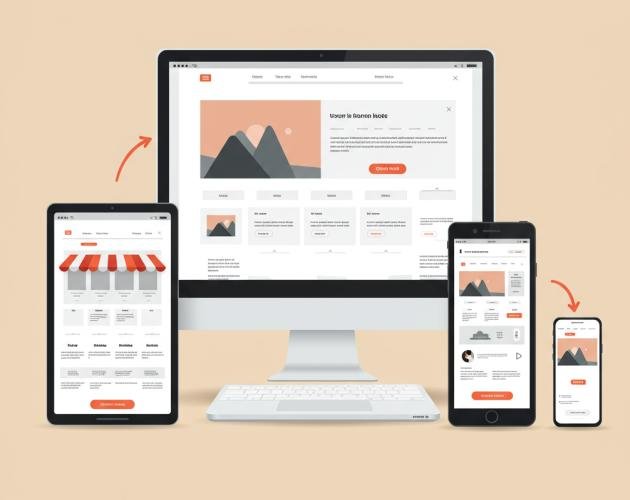
2. Create a Responsive Design Experience
Users access websites from many devices, including smartphones, tablets, and desktop computers. A responsive design ensures that the website works correctly on every screen size.
A responsive frontend provides:
- Flexible layouts
- Mobile-friendly navigation
- Properly scaled images
- Easy-to-read content
- Touch-friendly buttons
A consistent experience across devices helps users interact with a website without frustration.
3. Design Simple and Clear Navigation
Navigation is one of the most important parts of user experience. If visitors cannot quickly find what they need, they are likely to leave.
Effective navigation should include:
- Clear menu labels
- Logical page structure
- Search functionality
- Easy access to important pages
- Consistent navigation placement
Good frontend development focuses on creating interfaces where users can move naturally through the website.
4. Use Strong Visual Hierarchy
Visual hierarchy helps users understand what information is most important.
Frontend developers and designers use elements such as:
- Font sizes
- Colors
- Spacing
- Headings
- Images
- Buttons
to guide users’ attention.
A strong visual hierarchy helps visitors quickly identify:
- Main messages
- Important features
- Calls-to-action
- Key information
This improves readability and keeps users engaged.
5. Build Interactive User Experiences
Interactive features make websites more engaging and memorable.
Examples include:
- Hover animations
- Interactive forms
- Image galleries
- Product previews
- Dynamic content
- Smooth scrolling effects
However, interactions should always have a purpose. Too many animations or unnecessary effects can distract users and slow down performance.
The best interactive designs improve usability while making the experience enjoyable.
6. Optimize for Mobile Users
Mobile users often have different needs compared to desktop users. They expect fast loading, simple layouts, and easy interactions.
Frontend best practices for mobile optimization include:
- Designing mobile-first layouts
- Using responsive navigation menus
- Optimizing images for smaller screens
- Creating larger touch-friendly buttons
- Reducing unnecessary elements
A strong mobile experience helps businesses reach more users and improve engagement.
7. Improve Website Accessibility
A website should be usable by everyone, including users with disabilities.
Frontend accessibility practices include:
- Using proper HTML structure
- Adding image alternative text
- Ensuring keyboard navigation
- Maintaining readable color contrast
- Supporting screen readers
Accessible websites provide better experiences and allow businesses to connect with a wider audience.
8. Create Clear Calls-to-Action (CTAs)
Calls-to-action guide users toward important actions, such as:
- Contacting a business
- Purchasing a product
- Booking an appointment
- Downloading resources
- Signing up for services
Effective frontend design makes CTAs:
- Easy to find
- Visually noticeable
- Clearly written
- Simple to complete
A well-designed CTA improves engagement and increases conversions.
9. Use Consistent Design Patterns
Consistency creates familiarity and makes websites easier to use.
Frontend developers should maintain consistency in:
- Buttons
- Colors
- Typography
- Spacing
- Layout structures
- Interactive behaviors
When users understand how one part of a website works, they can easily understand the rest.
10. Reduce Unnecessary Complexity
Modern websites often include many features, but adding too much complexity can negatively impact user experience.
Effective frontend development focuses on:
- Simple layouts
- Clear messaging
- Fast interactions
- Removing distractions
- Prioritizing user needs
A simple and focused website often creates better engagement than an overloaded design.
11. Personalize User Experiences
Personalization helps users feel that a website is designed specifically for their needs.
Frontend technologies allow businesses to create personalized experiences through:
- Recommended content
- Location-based information
- Customized dashboards
- User preferences
- Dynamic content
Personalized experiences can increase engagement and encourage users to return.
12. Test and Improve Continuously
Frontend development should not stop after a website launch. User behavior should be monitored and improvements should be made regularly.
Important testing methods include:
- User testing
- Performance testing
- Browser testing
- Mobile testing
- A/B testing
Continuous improvement helps businesses create better experiences over time.
The Role of Modern Frontend Technologies
Modern frontend tools help developers build faster and more engaging websites.
Popular technologies include:
- React for building dynamic user interfaces
- Vue.js for flexible frontend applications
- Angular for large-scale web applications
- CSS frameworks for efficient styling
- JavaScript tools for advanced interactions
These technologies allow developers to create websites that are powerful, scalable, and user-friendly.
Business Benefits of Better User Engagement
A well-developed frontend provides measurable business benefits, including:
- Increased website retention
- More customer interactions
- Higher conversion rates
- Improved brand trust
- Better customer satisfaction
- Stronger online presence
When users enjoy their experience, they are more likely to engage with a business and become long-term customers.
Conclusion
Frontend development plays a major role in improving user engagement. A successful website requires more than attractive visuals—it needs speed, usability, responsiveness, accessibility, and meaningful interactions.
By following frontend best practices such as optimizing performance, creating responsive designs, simplifying navigation, and building interactive experiences, businesses can create websites that keep users engaged.
A well-designed frontend helps transform ordinary visitors into active users, loyal customers, and valuable business opportunities.
