
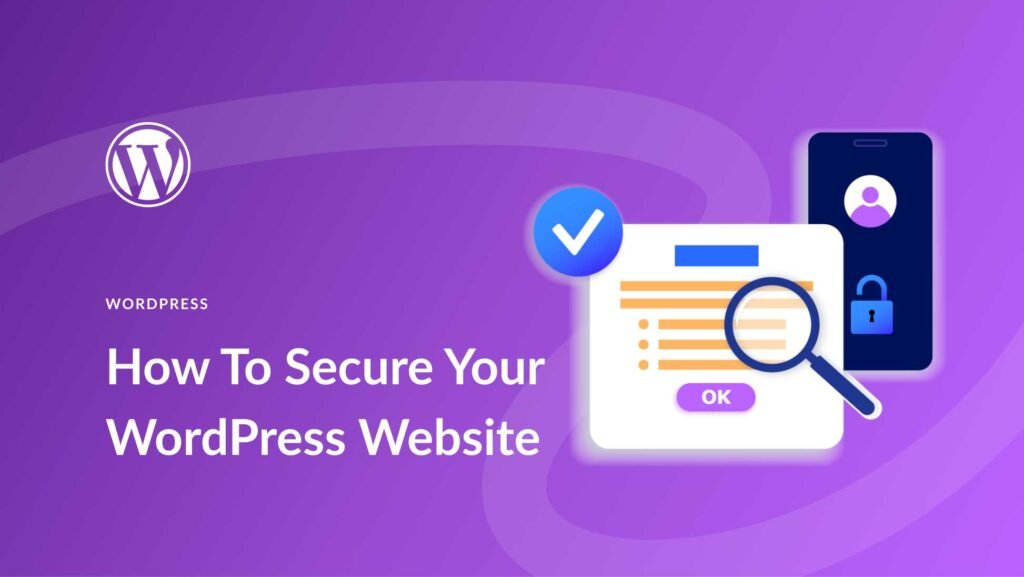
How to Keep Your WordPress Website Secure and Updated
WordPress powers millions of websites around the world, making it one of the most popular platforms for businesses, organizations, and individuals. However, its popularity also makes WordPress websites a common target for security threats, malware attacks, and vulnerabilities.
Keeping your WordPress website secure and updated is essential for protecting your business, customer information, and online reputation. Regular maintenance, security practices, and updates help ensure your website remains fast, reliable, and safe.
At Adeel Web Solutions, we help businesses maintain secure WordPress websites through professional updates, security monitoring, performance optimization, and ongoing support.
Why WordPress Security Matters
A hacked website can cause serious problems for your business, including:
- Loss of customer trust
- Website downtime
- Data theft
- SEO ranking drops
- Malware infections
- Financial losses
- Damage to brand reputation
Website security is not something to consider only after an attack happens. A proactive security strategy helps prevent issues before they occur.
1. Keep WordPress Core Updated
WordPress regularly releases updates that improve security, fix bugs, and introduce new features. Running an outdated version of WordPress can leave your website vulnerable to known security issues.
Regularly updating WordPress helps:
- Fix security vulnerabilities
- Improve website stability
- Enhance performance
- Maintain compatibility with themes and plugins
Always keep your WordPress core updated to the latest stable version.
2. Update Themes and Plugins Regularly
Themes and plugins add important features to your WordPress website, but outdated software can create security risks.
Common issues caused by outdated plugins and themes include:
- Security vulnerabilities
- Website errors
- Compatibility problems
- Performance issues
Best practices include:
- Update plugins and themes regularly
- Remove unused plugins
- Install plugins only from trusted sources
- Check plugin update history before installation
A clean and updated WordPress installation is easier to secure.
3. Use Strong Login Security
Weak passwords and unsecured login practices are among the most common reasons websites get compromised.
Improve login security by:
- Using strong, unique passwords
- Avoiding common usernames like “admin”
- Limiting login attempts
- Enabling two-factor authentication
- Creating separate user accounts with proper permissions
Strong login protection reduces the risk of unauthorized access.
4. Install a Reliable Security Plugin
A professional security plugin adds an additional layer of protection to your WordPress website.
Security plugins can help with:
- Malware scanning
- Firewall protection
- Login monitoring
- Security alerts
- Blocking suspicious activity
- File integrity monitoring
Choose trusted security solutions that are regularly maintained and compatible with your website.
5. Enable SSL Certificate (HTTPS)
An SSL certificate encrypts communication between your website and visitors. Websites without SSL may display security warnings, which can reduce customer trust.
SSL provides:
- Secure data transmission
- Customer confidence
- Better search engine trust
- Protection for forms and transactions
Every modern business website should use HTTPS.
6. Perform Regular Website Backups
Backups are one of the most important parts of website security. Even with strong protection, unexpected issues can happen.
Regular backups protect your website from:
- Malware attacks
- Server failures
- Accidental changes
- Failed updates
- Hacking attempts
A good backup strategy includes:
- Automated backups
- Multiple backup locations
- Regular backup testing
- Quick restoration options
A reliable backup can save your business time and money.
7. Choose Secure WordPress Hosting
Your hosting provider directly affects website security and performance. Cheap or unreliable hosting can increase security risks.
A secure hosting environment should provide:
- Server-level security
- Malware monitoring
- Regular backups
- Firewall protection
- Updated server software
- Good technical support
Quality hosting creates a stronger foundation for your website.
8. Remove Unused Themes and Plugins
Unused themes and plugins can become security risks even if they are not active.
Old or unnecessary files may:
- Contain vulnerabilities
- Increase attack opportunities
- Create compatibility issues
- Slow down your website
Regularly review your WordPress installation and remove anything you no longer need.
9. Limit User Access Permissions
Not every user needs full administrator access. Giving unnecessary permissions increases security risks.
Use proper user roles such as:
- Administrator
- Editor
- Author
- Contributor
- Subscriber
Only provide access levels that users actually need to complete their tasks.
10. Monitor Website Activity
Regular monitoring helps identify suspicious activity before it becomes a serious problem.
Monitor:
- Login attempts
- New user accounts
- File changes
- Plugin activity
- Security alerts
- Website performance
Early detection allows you to respond quickly and reduce potential damage.
11. Protect Your WordPress Database
The database stores important website information, including content, user data, and settings.
Database security practices include:
- Using secure database credentials
- Changing default database prefixes
- Regular database backups
- Removing unnecessary data
- Limiting database access
A protected database helps keep your website information safe.
12. Keep Your Website Performance Optimized
Security and performance go hand in hand. Poorly maintained websites often become slower and more vulnerable.
Regular optimization includes:
- Database cleanup
- Image optimization
- Cache configuration
- Removing unnecessary scripts
- Performance monitoring
A well-maintained website provides a better experience for both users and search engines.
WordPress Security Maintenance Checklist
Use this checklist to keep your website protected:
✓ Update WordPress regularly
✓ Update themes and plugins
✓ Use strong passwords
✓ Enable two-factor authentication
✓ Install a security solution
✓ Use SSL protection
✓ Create regular backups
✓ Remove unused plugins and themes
✓ Monitor website activity
✓ Use reliable hosting
✓ Check website performance regularly
Why Choose Adeel Web Solutions for WordPress Maintenance and Security?
At Adeel Web Solutions, we provide professional WordPress maintenance and security services designed to keep your website protected, updated, and performing at its best.
Our services include:
- WordPress updates
- Security monitoring
- Malware protection
- Backup management
- Performance optimization
- Technical support
- Website improvements
We help businesses avoid security issues and maintain a reliable online presence.
Final Thoughts
Keeping your WordPress website secure and updated is an ongoing process, not a one-time task. Regular updates, strong security practices, reliable backups, and professional maintenance help protect your website from threats and ensure long-term performance.
A secure WordPress website builds customer trust, protects your business reputation, and provides a stable foundation for future growth. Investing in proper WordPress maintenance allows your website to remain safe, fast, and ready to support your business goals.
