

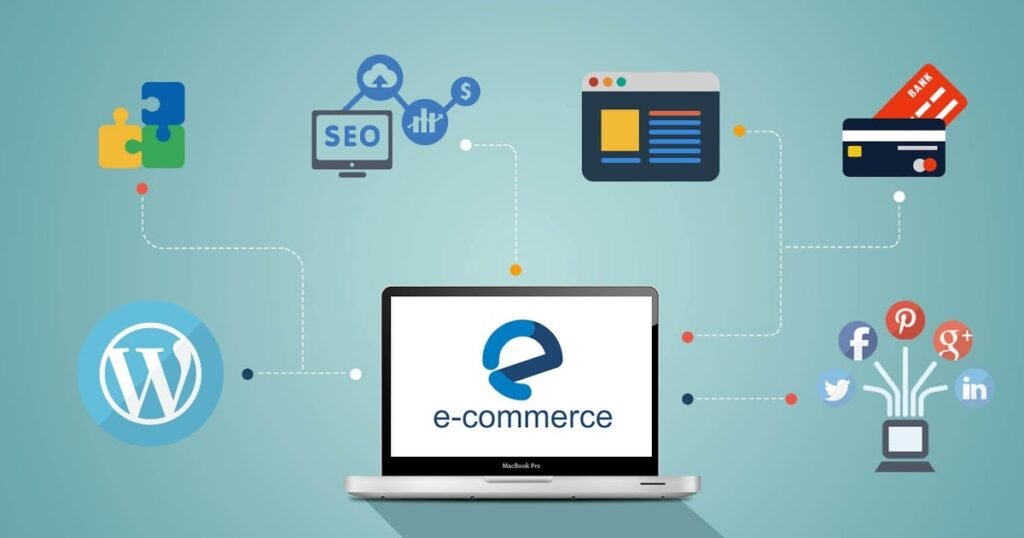
The rapid growth of online shopping has transformed the way businesses sell products and services. Consumers now expect convenient, secure, and personalized shopping experiences that are accessible from any device. E-commerce development is the process of designing, building, and maintaining online stores that enable businesses to reach customers worldwide, manage products efficiently, and process transactions securely.
A well-developed e-commerce website not only increases sales but also strengthens brand credibility, improves customer satisfaction, and provides businesses with valuable insights into consumer behavior. Whether for a small startup or a large enterprise, investing in professional e-commerce development is essential for long-term success in the digital marketplace.
What is E-commerce Development?
E-commerce development refers to the creation of online shopping platforms that allow businesses to sell products or services over the internet. It involves designing user-friendly interfaces, integrating secure payment gateways, managing product catalogs, implementing shopping cart functionality, and ensuring smooth order processing.
Modern e-commerce development combines attractive design, responsive functionality, and robust security to deliver a seamless shopping experience for customers across desktops, tablets, and smartphones.
Benefits of E-commerce Development
Developing a professional e-commerce website offers numerous advantages for businesses.
Global Market Reach
Unlike physical stores, an e-commerce website allows businesses to reach customers across different cities, countries, and time zones. This expanded reach creates new growth opportunities and increases brand visibility.
24/7 Availability
An online store operates around the clock, allowing customers to browse products and make purchases anytime without being limited by business hours.
Cost-Effective Business Model
Running an online store typically requires lower operational costs compared to maintaining multiple physical locations. Businesses can reduce expenses related to rent, staffing, and utilities while serving a larger audience.
Improved Customer Experience
Features such as advanced search, product filters, personalized recommendations, customer reviews, and secure checkout processes enhance the overall shopping experience.
Easy Inventory Management
E-commerce platforms simplify inventory tracking, stock management, order processing, and product updates, enabling businesses to operate more efficiently.
Data-Driven Decision Making
Built-in analytics provide valuable insights into customer behavior, sales performance, and marketing effectiveness, helping businesses make informed decisions.
Essential Features of an E-commerce Website
A successful online store should include several key features to ensure a smooth and secure shopping experience.
Responsive Design
Customers use a variety of devices to shop online. A responsive website automatically adjusts to different screen sizes, providing an optimal viewing experience on desktops, tablets, and smartphones.
Product Catalog Management
An organized product catalog with detailed descriptions, high-quality images, pricing, categories, and search functionality helps customers quickly find the products they need.
Shopping Cart
The shopping cart allows customers to add, update, or remove items before completing their purchases, creating a convenient and flexible buying process.
Secure Payment Gateway
Integrating trusted payment methods ensures secure online transactions and builds customer confidence. Multiple payment options, including credit cards, digital wallets, and online banking, improve convenience.
Order Management
Businesses need efficient systems to process orders, track shipments, manage returns, and communicate order status with customers.
Customer Accounts
User accounts enable customers to save addresses, track previous orders, manage wish lists, and enjoy a personalized shopping experience.
Search Engine Optimization (SEO)
SEO-friendly architecture helps e-commerce websites rank higher in search engine results, increasing organic traffic and attracting potential customers.
Types of E-commerce Websites
Different business models require different types of e-commerce platforms.
Business-to-Consumer (B2C)
Businesses sell products or services directly to individual customers through online stores.
Business-to-Business (B2B)
Companies sell products or services to other businesses, often involving bulk purchasing, negotiated pricing, and long-term contracts.
Consumer-to-Consumer (C2C)
Individuals buy and sell products through online marketplaces that connect independent buyers and sellers.
Consumer-to-Business (C2B)
Individuals provide products or professional services to businesses through digital platforms.
E-commerce Development Process
Developing an e-commerce website typically involves the following stages:
- Business analysis and project planning.
- Designing the website layout and user experience.
- Developing the front-end and back-end functionality.
- Integrating payment gateways and shipping services.
- Adding products and organizing categories.
- Testing functionality, performance, and security.
- Launching the online store.
- Providing ongoing maintenance, updates, and performance optimization.
Security in E-commerce Development
Security is one of the most critical aspects of an online store. Developers implement various measures to protect customer information and business data, including:
- SSL encryption for secure communication.
- Secure payment gateway integration.
- Strong user authentication.
- Regular software updates.
- Data backups and disaster recovery plans.
- Protection against malware and cyberattacks.
- Compliance with industry security standards.
Best Practices for E-commerce Development
To maximize the success of an online store, businesses should follow these best practices:
- Optimize website speed for faster loading.
- Use high-quality product images and detailed descriptions.
- Simplify the checkout process to reduce cart abandonment.
- Ensure mobile responsiveness.
- Implement strong SEO strategies.
- Provide multiple payment and shipping options.
- Display customer reviews and ratings.
- Monitor website performance and analytics regularly.
- Keep the platform secure with frequent updates and backups.
Future Trends in E-commerce Development
The e-commerce industry continues to evolve with emerging technologies and changing customer expectations. Some of the latest trends include:
- Artificial intelligence for personalized shopping experiences.
- Voice search optimization.
- Augmented reality (AR) for virtual product visualization.
- Mobile-first shopping experiences.
- AI-powered chatbots for customer support.
- Subscription-based business models.
- Faster checkout through digital wallets and one-click payments.
- Sustainable and eco-friendly e-commerce practices.
Conclusion
E-commerce development plays a vital role in helping businesses establish a successful online presence and compete in today’s digital economy. A well-designed e-commerce website combines attractive design, secure payment processing, efficient inventory management, and seamless user experiences to drive customer satisfaction and increase sales. By investing in professional e-commerce development and continuously optimizing performance, businesses can expand their reach, strengthen customer relationships, and achieve sustainable growth in the competitive online marketplace.
