
15 On-Page SEO Techniques That Improve Google Rankings
Introduction
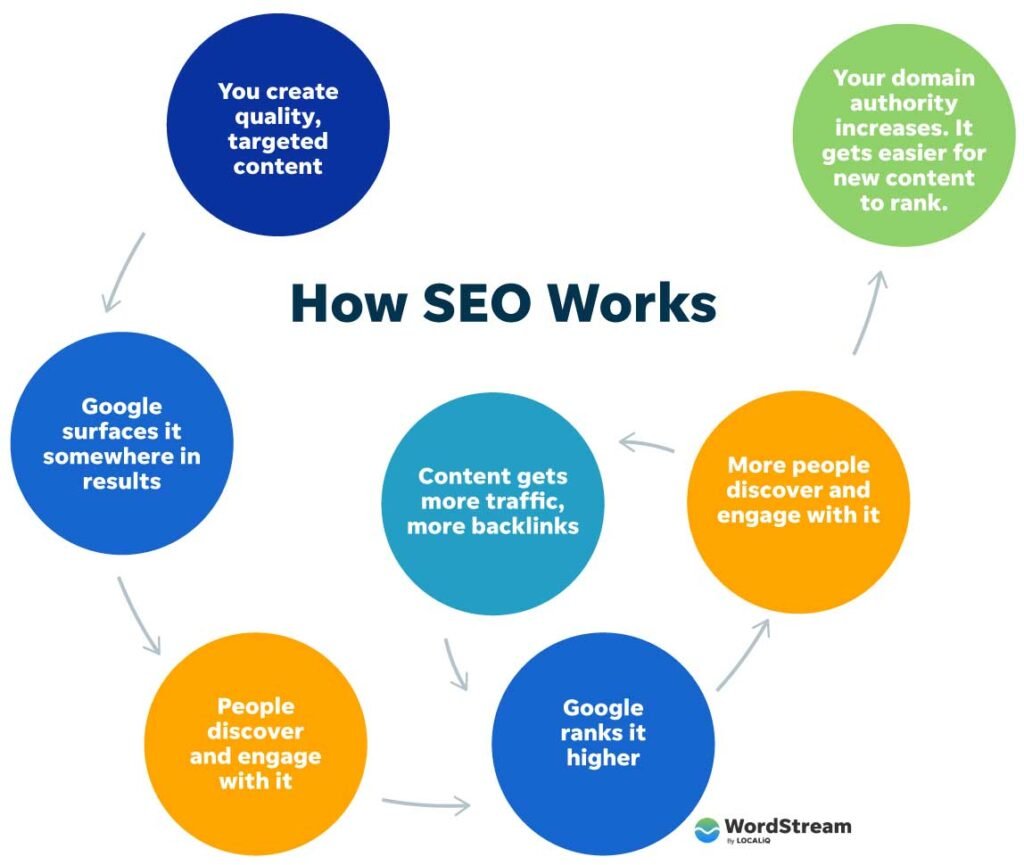
Ranking well on Google requires more than simply publishing content. Search engines evaluate hundreds of factors to determine which pages provide the best answers to users’ search queries. While backlinks and domain authority play an important role, on-page SEO is the foundation of every successful SEO strategy.
On-page SEO focuses on optimizing the elements you can control on your website, including content, keywords, headings, page speed, internal links, images, and user experience. When implemented correctly, these techniques help search engines understand your content, improve your website’s visibility, and increase organic traffic.
In this article, we’ll explore 15 effective on-page SEO techniques that can help improve your Google rankings and create a better experience for your visitors.
1. Perform Proper Keyword Research
Every successful SEO strategy starts with keyword research.
Identify keywords your target audience is searching for and choose those that are relevant to your business, products, or services.
Focus on:
- Primary keywords
- Secondary keywords
- Long-tail keywords
- Search intent
Using the right keywords helps your content match what users are looking for.
2. Write High-Quality, Valuable Content
Google prioritizes content that provides useful, accurate, and original information.
Your content should:
- Answer user questions
- Solve problems
- Be well-organized
- Offer unique insights
- Be easy to read
Avoid publishing thin or duplicate content, as it provides little value to users.
3. Optimize Your Page Title
The page title is one of the most important on-page SEO elements.
A strong title should:
- Include the primary keyword
- Clearly describe the page
- Encourage users to click
- Stay between 50–60 characters when possible
Well-written titles improve both search visibility and click-through rates.
4. Create Compelling Meta Descriptions
Meta descriptions summarize your page in search results.
Although they are not a direct ranking factor, they influence whether users click on your page.
A good meta description should:
- Include relevant keywords naturally
- Explain what the page offers
- Encourage users to visit
- Stay around 150–160 characters
5. Use Proper Heading Structure
Organize your content using headings.
A typical structure includes:
- One H1 heading
- Multiple H2 headings
- Supporting H3 headings where needed
Proper headings improve readability and help search engines understand your content hierarchy.
6. Optimize URLs
Short, descriptive URLs are easier for both users and search engines to understand.
Example:
Good URL
yourwebsite.com/on-page-seo-techniques
Instead of:
yourwebsite.com/page?id=2487
Include relevant keywords while keeping URLs clean and simple.
7. Add Internal Links
Internal linking connects related pages within your website.
Benefits include:
- Improved navigation
- Better website structure
- Increased page authority distribution
- Easier crawling by search engines
Link to relevant pages where it naturally benefits the reader.
8. Optimize Images
Images improve user engagement but should also support SEO.
Best practices include:
- Compress image sizes
- Use descriptive filenames
- Add keyword-relevant alt text
- Choose modern image formats
- Avoid oversized files
Optimized images improve page speed and accessibility.
9. Improve Page Speed
Website speed directly affects user experience and search rankings.
Improve loading times by:
- Compressing images
- Using browser caching
- Minimizing CSS and JavaScript
- Reducing unnecessary plugins
- Optimizing server performance
Fast websites reduce bounce rates and improve user satisfaction.
10. Make Your Website Mobile-Friendly
Most Google searches now come from mobile devices.
Ensure your website:
- Uses responsive design
- Displays properly on all screen sizes
- Has readable text
- Uses touch-friendly buttons
- Loads quickly on smartphones
A mobile-friendly website is essential for modern SEO.
11. Write User-Friendly Content
Your content should be easy to scan and understand.
Improve readability by:
- Using short paragraphs
- Writing clear sentences
- Including bullet points
- Breaking up large sections with headings
- Using simple language
Content that is easy to read keeps visitors engaged for longer.
12. Optimize for Search Intent
Search intent refers to the reason behind a user’s search.
Your content should match what users expect to find.
For example:
- Informational searches need educational content.
- Transactional searches need product or service pages.
- Navigational searches help users find specific websites.
Matching search intent improves both rankings and conversions.
13. Add Descriptive Alt Text to Images
Alt text describes images for search engines and screen readers.
Good alt text:
- Clearly describes the image
- Includes keywords naturally when relevant
- Improves accessibility
- Helps images appear in image search results
Avoid stuffing keywords into alt text.
14. Update Existing Content Regularly
Google favors fresh, relevant content.
Review older pages periodically by:
- Updating statistics
- Refreshing examples
- Improving readability
- Adding new information
- Fixing outdated links
Regular updates help maintain rankings over time.
15. Improve User Experience (UX)
User experience is closely connected to SEO.
A positive experience encourages visitors to stay longer and interact with your website.
Improve UX by:
- Simplifying navigation
- Using clear calls-to-action
- Reducing page clutter
- Improving readability
- Making important information easy to find
- Ensuring fast page loading
Satisfied visitors are more likely to explore additional pages and become customers.
Common On-Page SEO Mistakes to Avoid
Even well-designed websites can suffer from poor SEO practices.
Avoid these common mistakes:
- Keyword stuffing
- Duplicate content
- Missing title tags
- Poor heading structure
- Slow-loading pages
- Broken internal links
- Large, unoptimized images
- Missing meta descriptions
- Ignoring mobile optimization
- Outdated content
Correcting these issues can significantly improve your website’s performance.
Benefits of Strong On-Page SEO
Consistently applying on-page SEO techniques provides long-term benefits, including:
- Higher Google rankings
- Increased organic traffic
- Better user experience
- Improved website performance
- Higher engagement
- More qualified leads
- Better conversion rates
- Stronger online visibility
Unlike paid advertising, effective on-page SEO can continue delivering results long after your content is published.
Why On-Page SEO Should Be an Ongoing Process
SEO is not something you do once and forget. Search engine algorithms, user behavior, and industry trends continue to evolve.
Regularly reviewing and improving your pages helps ensure they remain competitive and relevant. Ongoing optimization allows you to maintain rankings, adapt to algorithm updates, and continue attracting valuable organic traffic.
Conclusion
On-page SEO is one of the most effective ways to improve your website’s Google rankings and provide a better experience for visitors. By optimizing your content, keywords, page titles, headings, images, page speed, and internal links, you create pages that are easier for search engines to understand and more useful for users.
Implementing these 15 on-page SEO techniques can help increase your website’s visibility, drive more organic traffic, and improve conversion rates. When combined with high-quality content and a strong overall SEO strategy, on-page optimization becomes a powerful tool for achieving long-term online success.
