
10 Essential Elements of a High-Performing Business Website
A business website is more than just an online presence. It is often the first interaction potential customers have with your company, and it can directly influence whether they choose to contact you, purchase a product, or move on to a competitor.
A high-performing business website should look professional, load quickly, work smoothly across devices, provide useful information, and guide visitors toward taking action. Whether you are building a new website or improving an existing one, focusing on the right elements can make a significant difference.
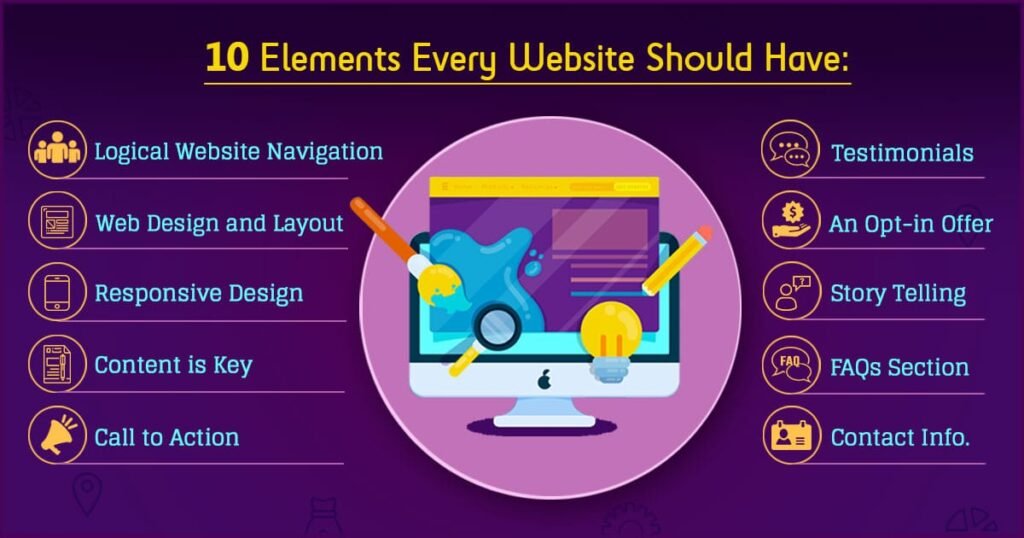
Here are 10 essential elements every high-performing business website should have.
1. Professional and Modern Website Design
First impressions matter. Visitors often form an opinion about a business within seconds of landing on its website.
A professional website should have a clean layout, consistent branding, readable typography, appropriate colors, and enough white space to make the content easy to understand. Every design element should support the overall purpose of the website rather than distract visitors.
Modern website design is not about adding unnecessary animations or complicated features. It is about creating a polished, trustworthy experience that reflects the quality of your business.
A strong design should include:
- Consistent colors and typography
- Professional images and graphics
- Clear visual hierarchy
- Well-organized sections
- Consistent buttons and design elements
- Easy-to-read content
Your website should immediately communicate who you are, what you offer, and why visitors should choose your business.
2. Mobile-Responsive Design
Customers browse websites from smartphones, tablets, laptops, and desktop computers. Your website needs to provide a great experience on all of them.
Responsive web design automatically adjusts the website’s layout according to the visitor’s screen size. Text should remain readable, images should resize correctly, navigation should be easy to use, and buttons should be simple to tap on mobile devices.
A mobile-friendly website is particularly important for businesses receiving traffic from search engines, social media, advertisements, and local searches.
When developing your website, test important pages on multiple screen sizes to ensure visitors can navigate and interact with the site without difficulty.
3. Fast Website Loading Speed
Website speed plays an important role in user experience and overall website performance.
Visitors do not want to wait for large images, unnecessary scripts, or poorly optimized pages to load. A slow website can frustrate potential customers and increase the chances of them leaving before exploring your services.
Website speed can often be improved by:
- Compressing and properly sizing images
- Using modern image formats
- Removing unnecessary plugins and scripts
- Minifying CSS and JavaScript
- Implementing browser caching
- Using reliable website hosting
- Optimizing the website database
- Using a Content Delivery Network (CDN) when appropriate
Speed optimization should be considered throughout the website development process rather than treated as an afterthought.
4. Clear and Simple Navigation
Visitors should never have to struggle to find important information.
Your website navigation should be straightforward and organized around the pages customers are most likely to need. For most businesses, this includes pages such as Home, About, Services, Blog, and Contact.
Businesses offering multiple services can organize related pages within dropdown menus to prevent the main navigation from becoming overcrowded.
Navigation should remain consistent throughout the website so visitors always understand where they are and how to reach another section.
The easier your website is to navigate, the easier it becomes for potential customers to discover your services and contact your business.
5. Strong Calls to Action
A website should guide visitors toward a clear next step.
A call to action, commonly known as a CTA, encourages visitors to perform a specific action. Depending on your business, this could include requesting a quote, scheduling a consultation, calling your office, purchasing a product, or completing a contact form.
Examples of effective calls to action include:
- Request a Free Quote
- Schedule a Consultation
- Contact Our Team
- Get Started Today
- View Our Services
- Book an Appointment
Calls to action should appear naturally throughout important pages rather than only at the bottom of the website.
Buttons should also be visually noticeable and use clear language so visitors understand exactly what will happen when they click.
6. High-Quality and Helpful Content
Good website design attracts attention, but useful content helps convert visitors into customers.
Your website content should clearly explain what your business does, who you help, and what makes your services valuable.
Avoid filling pages with generic information simply to make them longer. Instead, create content that answers genuine customer questions and helps visitors make informed decisions.
High-quality website content can include:
- Detailed service descriptions
- Frequently asked questions
- Educational blog articles
- Case studies
- Customer testimonials
- Project examples
- Helpful guides
Content should be written primarily for your customers while also following SEO best practices.
7. Search Engine Optimization
A professionally designed website has limited value if potential customers cannot find it.
Search engine optimization, or SEO, helps search engines understand your website and improves its ability to appear for relevant searches.
Important on-page SEO elements include:
- Descriptive page titles
- Optimized meta descriptions
- Proper heading structure
- Relevant keywords
- Internal linking
- Descriptive image alt text
- Search-friendly URLs
- Useful and original content
- Mobile usability
- Fast page performance
SEO should be incorporated during website design and development instead of being considered only after the website launches.
Creating a technically strong website with useful content provides a better foundation for long-term organic visibility.
8. Trust and Credibility Elements
Before contacting a company or making a purchase, visitors want to know they are dealing with a legitimate and reliable business.
Adding trust signals throughout your website can reduce uncertainty and make potential customers more comfortable taking the next step.
Depending on your industry, useful trust elements can include:
- Customer reviews and testimonials
- Certifications and licenses
- Industry memberships
- Awards and recognition
- Client or partner logos
- Completed project examples
- Years of experience
- Clear contact information
- Business address and service areas
Testimonials are particularly effective when they provide specific details about the customer’s experience instead of using generic statements.
9. Security and Website Maintenance
Website security is essential for protecting your business and your visitors.
Every professional business website should use an SSL certificate so pages are delivered through HTTPS. Websites should also be regularly updated and monitored for security vulnerabilities.
For websites built using platforms such as WordPress, themes, plugins, and the WordPress core should be kept updated.
Regular maintenance should include:
- Software and plugin updates
- Website backups
- Security monitoring
- Broken-link checks
- Form testing
- Performance monitoring
- Database optimization
- Spam protection
Website development does not end when a website goes live. Continuous maintenance helps keep the website secure, functional, and reliable.
10. Conversion-Focused User Experience
Traffic alone does not make a website successful. Visitors need to take meaningful actions.
A conversion-focused website removes unnecessary obstacles between a visitor and the action you want them to take.
For example, if your primary objective is generating leads, visitors should be able to quickly understand your services and find a simple way to contact your team.
Conversion optimization can include:
- Clear calls to action
- Short and simple forms
- Prominent contact information
- Click-to-call phone numbers on mobile
- Easy navigation
- Relevant testimonials near important CTAs
- Clear service descriptions
- Strategically designed landing pages
Every page should have a purpose and naturally guide visitors toward the next appropriate step.
How These Elements Work Together
A high-performing website is not created by focusing on one element alone.
An attractive website that loads slowly can lose visitors. A fast website with confusing navigation can make information difficult to find. Excellent content without clear calls to action may generate traffic without producing enough leads.
Design, development, SEO, speed, usability, security, content, and conversion optimization should work together as part of a complete website strategy.
When these elements are properly implemented, your website becomes more than a digital brochure. It becomes a valuable business asset that can build credibility, attract potential customers, and support long-term growth.
Final Thoughts
A successful business website needs to balance professional design with performance, usability, search visibility, and conversion strategy.
The 10 essential elements to prioritize are professional design, mobile responsiveness, fast loading speed, simple navigation, strong calls to action, helpful content, SEO, trust signals, security and maintenance, and a conversion-focused user experience.
Investing in these areas can help your business create a stronger online presence and provide potential customers with a better experience from their first visit.
Ready to Build a Better Business Website?
If your current website feels outdated, loads slowly, performs poorly on mobile devices, or is not generating enough leads, professional website design and development can help.
A properly planned website can combine modern design, responsive development, SEO-friendly structure, speed optimization, and conversion-focused functionality to support your business goals.
Ready to improve your online presence? Contact our team today to discuss your website design and development project.
